Product Design
UX Research
Atutu MuddyWaters is a global design training program supporting students and community partners in underserved regions. In collaboration with Atutu, a nonprofit organization working across Myanmar and Southeast Asia, I redesigned their learning platform to make community-centered design more intuitive and accessible for first-time learners. Over 10 weeks, our team worked closely with the NGO founder, conducted stakeholder research, and transformed a dense, text-heavy curriculum into a clearer, more engaging, and interactive learning experience.

My Role
Product Designer
UX Strategist
Collaborators
9 Team Members:
Benjamin Lincoln, Jihwan Kwak, Kacie Takata, Kevin Lin, Samantha Sayson, Sandy Nguyenphuoc, Thomas Wang, Wendy Hong
Date
Apr 2023 - Jun 2023
Introduction
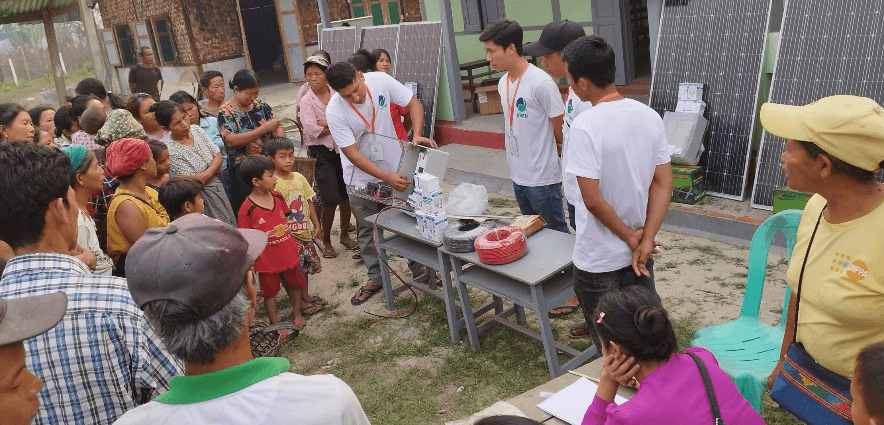
The Problem Behind the Problem
From early conversations with the NGO founder and student participants, the core issue became clear: The module was transmitting information, but not the mindsets. Most students entering the program had never worked with marginalized communities before. They didn’t yet understand concepts like positionality, power, trust-building, or community co-creation. These are not principles a wall of text can teach.
The biggest insight emerging from these conversations was that community-centered design requires self-reflection, not just instruction.
To redesign MuddyWaters, our group needed a space where learners could slow down, reflect, and consider the implications of their involvement.
Concept Development
The existing module had three major barriers:
Cognitive overload: Long, uninterrupted paragraphs made foundational concepts inaccessible for international learners and design beginners.
No sense of progression: The module lacked structure and users didn’t know where they were or what they’d accomplish.
Missing opportunities for reflection and dialogue: Without discussion or personal processing, learners weren’t internalizing the principles of community-centered design.
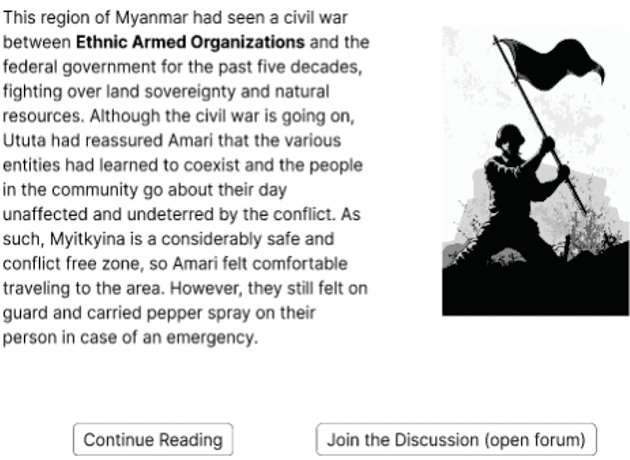
The Existing Module of Atutu MuddyWaters
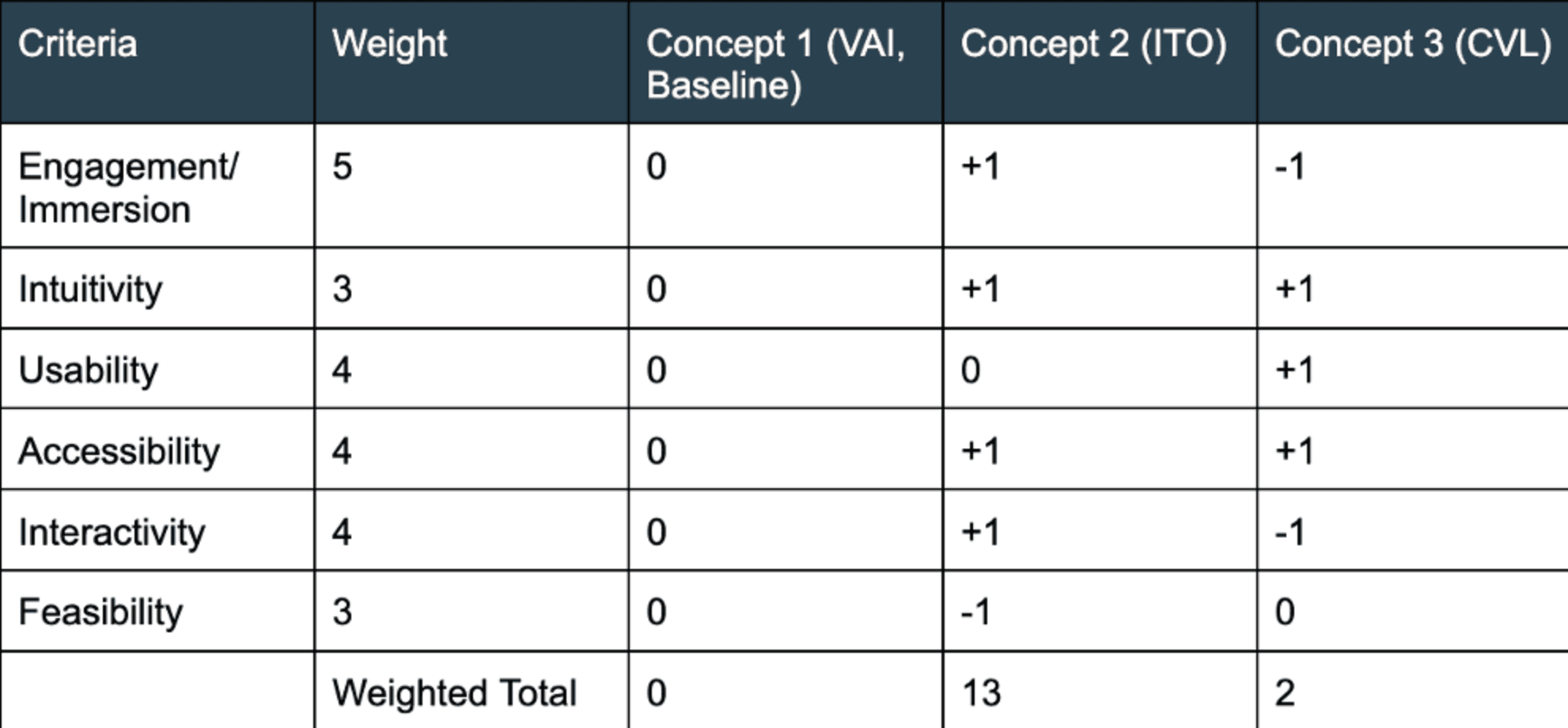
Our Design Solution
Based on the two Figma prototypes, we conducted A/B testing with 17 UCSD students. The result provided us some key findings:
Visual storytelling significantly increased engagement
Discussion forums increased collaboration and reflective depth
Heavy text decreased completion rates
Users wanted tools to record thoughts before discussion
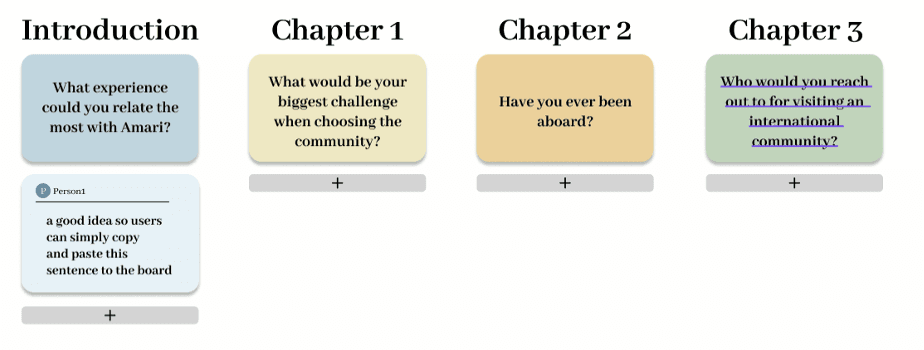
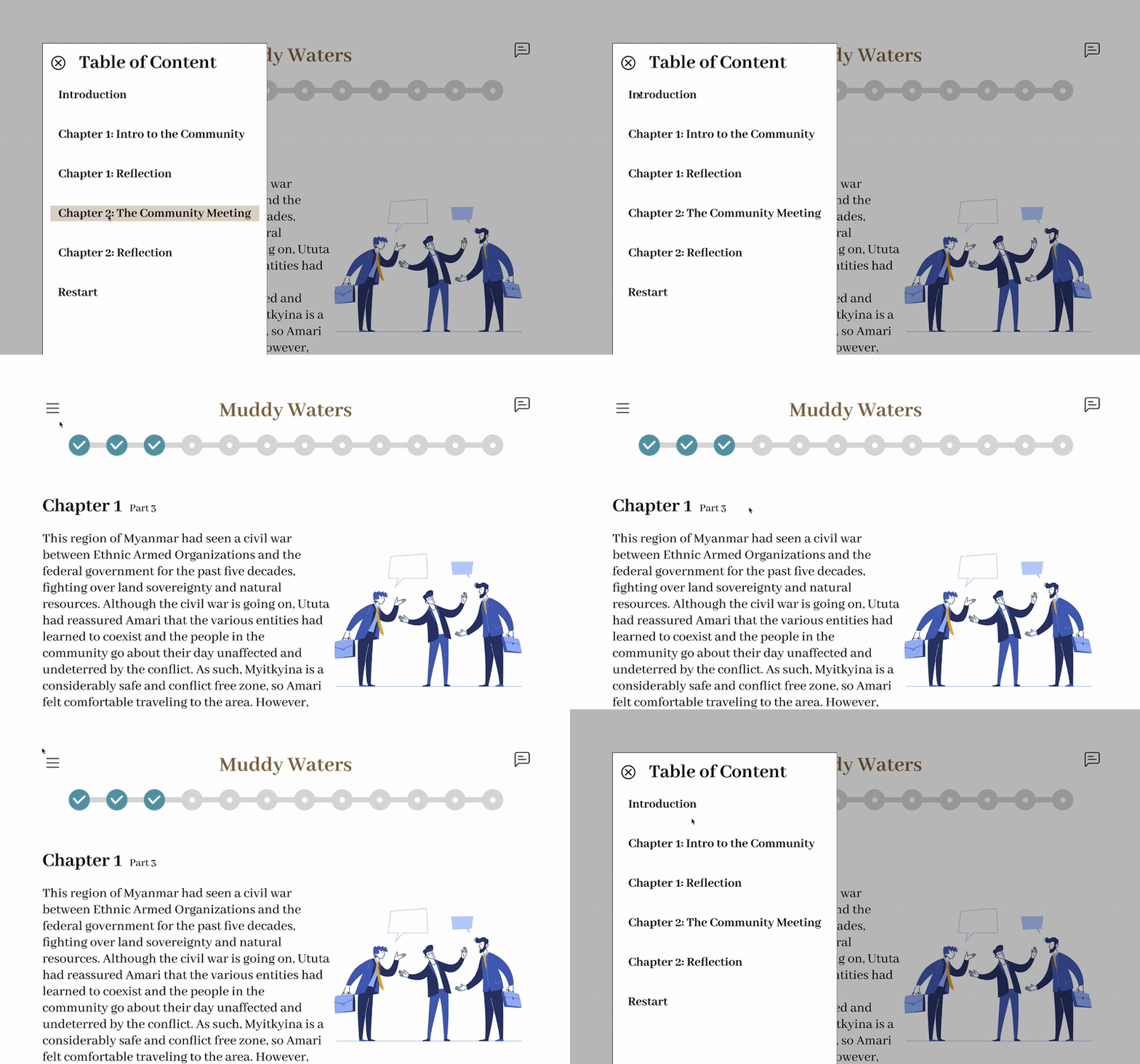
These insights informed the final module structure as below.
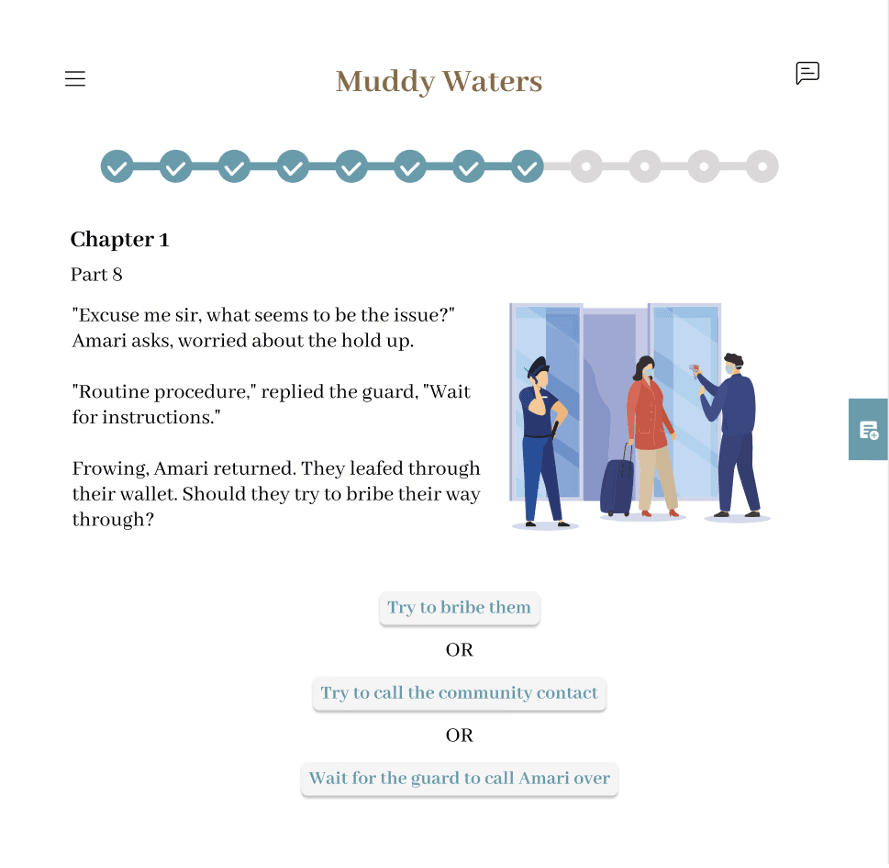
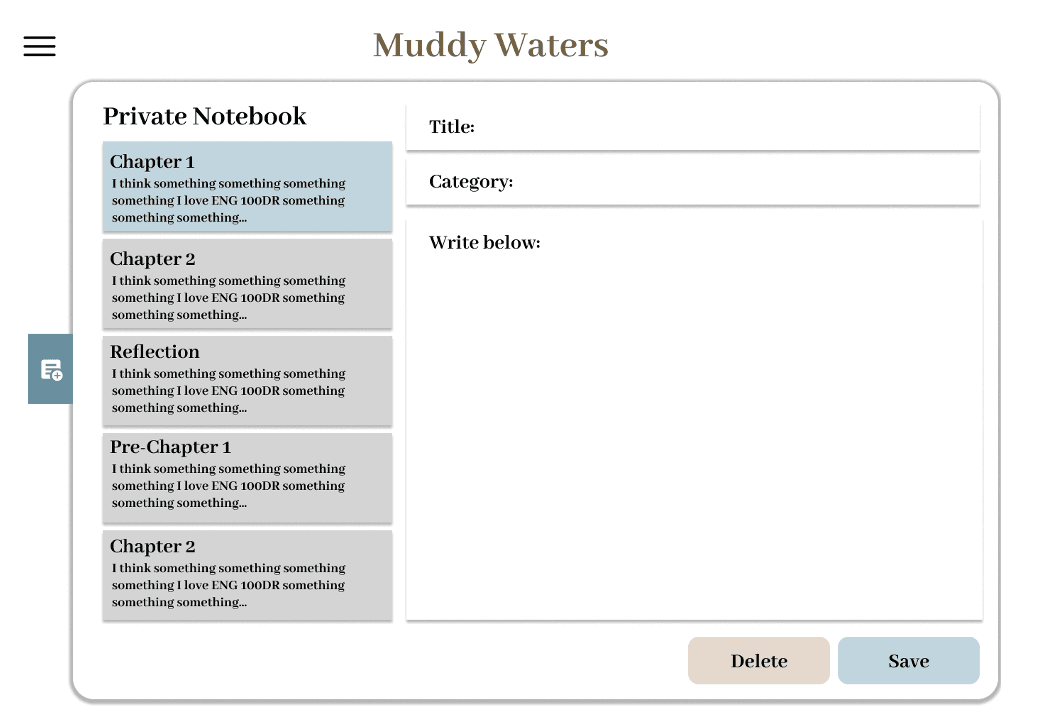
New learning module page with progress bar, personal notebook, and options buttons for more interactivity
Working on Atutu MuddyWaters changed the way I view the world. Closely interacting with diverse stakeholders, including those from marginalized communities, reminded me that design is never neutral. The most challenging aspect of this project wasn’t restructuring content; it was unlearning my assumptions about what “effective learning” should look like.
I realized that community-centered design is something you invite learners to sit with, question, and internalize. Reducing cognitive load and visualizing complex ideas wasn’t about aesthetics; it was about equity. If a learning tool is only accessible to certain literacy levels, cultures, or bandwidth conditions, it reinforces the very inequities it aims to dismantle.
Through this project, I learned that impact in social design is measured in mindset shifts. The redesigned module cultivates a discipline of listening, observing, and co-creating with respect and open-mindness. Indeed, that internal shift is what ultimately leads to responsible, sustainable community engagement. This experience reaffirmed the kind of designer I aspire to become:
one who builds with communities not just for them,
one who treats design as a way to elevate dignity,
and one who believes that impact begins with the smallest shifts in how people learn, listen, and understand one another.
For more details, please email me at janetteylim@gmail.com.